
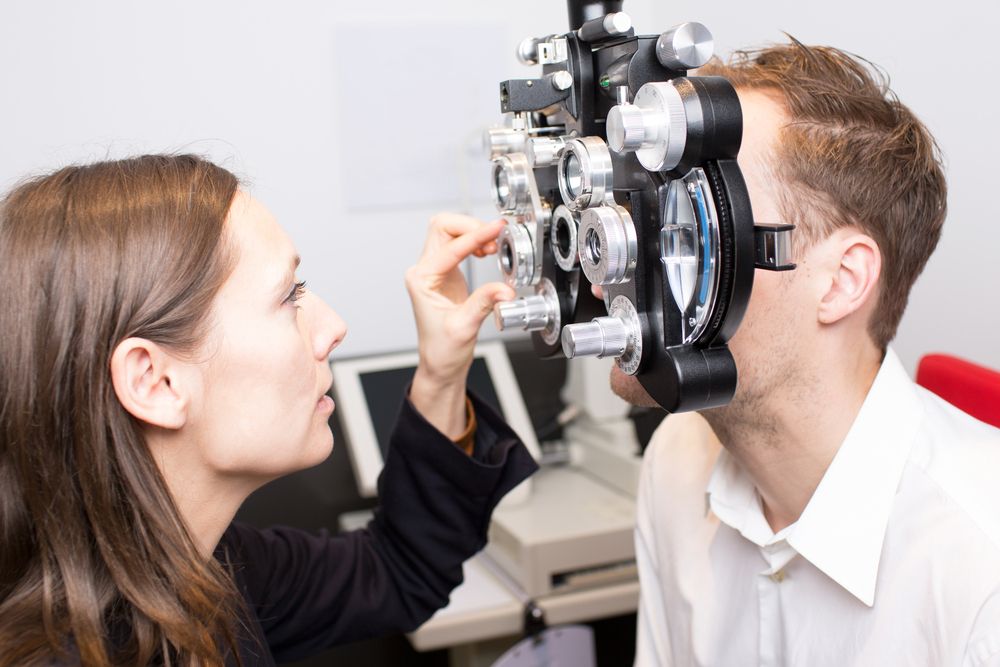
Many people assume that an eye exam is simply a way to update their glasses or contact lens prescription. While checking visual acuity is an important part of the process, a comprehensive eye exam goes far beyond determining how clearly you can see. At Grin Eye Care, these exams are designed to evaluate the complete health of your eyes, identify potential vision problems, and screen for systemic health issues that may first appear in the eyes.
Vision Testing Is Only the Beginning
One of the most familiar parts of an eye exam is the visual acuity test—the process of reading letters on a chart to determine how clearly you see at different distances. This helps your eye doctor determine whether you need glasses or contact lenses and ensures that your prescription is accurate.
However, this step represents just a small portion of a comprehensive eye exam. Clear vision does not always mean your eyes are healthy. Many eye conditions develop silently and do not affect vision in their early stages. A thorough exam evaluates much more than how well you can read an eye chart.
Evaluating the Overall Health of the Eye
During a comprehensive eye exam, your optometrist carefully examines the structures of the eye to ensure everything is functioning properly. This includes checking the cornea, retina, optic nerve, lens, and other internal components.
Advanced diagnostic tools allow eye doctors to view detailed images of the eye and detect subtle changes that may indicate disease. These evaluations can help identify conditions such as glaucoma, macular degeneration, retinal disease, or cataracts long before noticeable vision loss occurs.
Detecting Eye Diseases Before Symptoms Appear
One of the most important benefits of comprehensive eye exams is the ability to detect eye diseases early. Many serious conditions develop gradually and may not cause pain or noticeable symptoms until significant damage has already occurred.
For example, glaucoma is often called the “silent thief of sight” because it can slowly damage the optic nerve without obvious warning signs. Similarly, age-related macular degeneration may begin with minimal symptoms but can progress to affect central vision.
Routine comprehensive eye exams allow your optometrist to monitor changes in your eye health over time and begin treatment as soon as any issues are detected.
Your Eyes Can Reveal Signs of Systemic Health Issues
The eyes are unique because they allow doctors to view blood vessels and nerves directly without surgery. Because of this, a comprehensive eye exam can sometimes reveal early signs of broader health conditions that affect the entire body.
Conditions that may be detected during an eye exam include:
• Diabetes
• High blood pressure
• High cholesterol
• Autoimmune diseases
• Certain neurological conditions
Changes in the retina or blood vessels can signal underlying health issues before other symptoms arise, allowing patients to seek appropriate medical care sooner.
Schedule Your Comprehensive Eye Exam Today
A comprehensive eye exam is much more than a simple vision test. While determining your prescription is important, these exams play a vital role in detecting eye diseases, monitoring eye health, and identifying signs of systemic health conditions. Regular exams allow for early diagnosis and treatment, helping preserve clear vision and overall wellness.
Contact Grin Eye Care to schedule your comprehensive eye exam and take the next step toward protecting your vision. Visit our office in Leawood, Olathe, Kansas, or Kansas City, Missouri. Call (913) 829-5511 to book an appointment today.


