
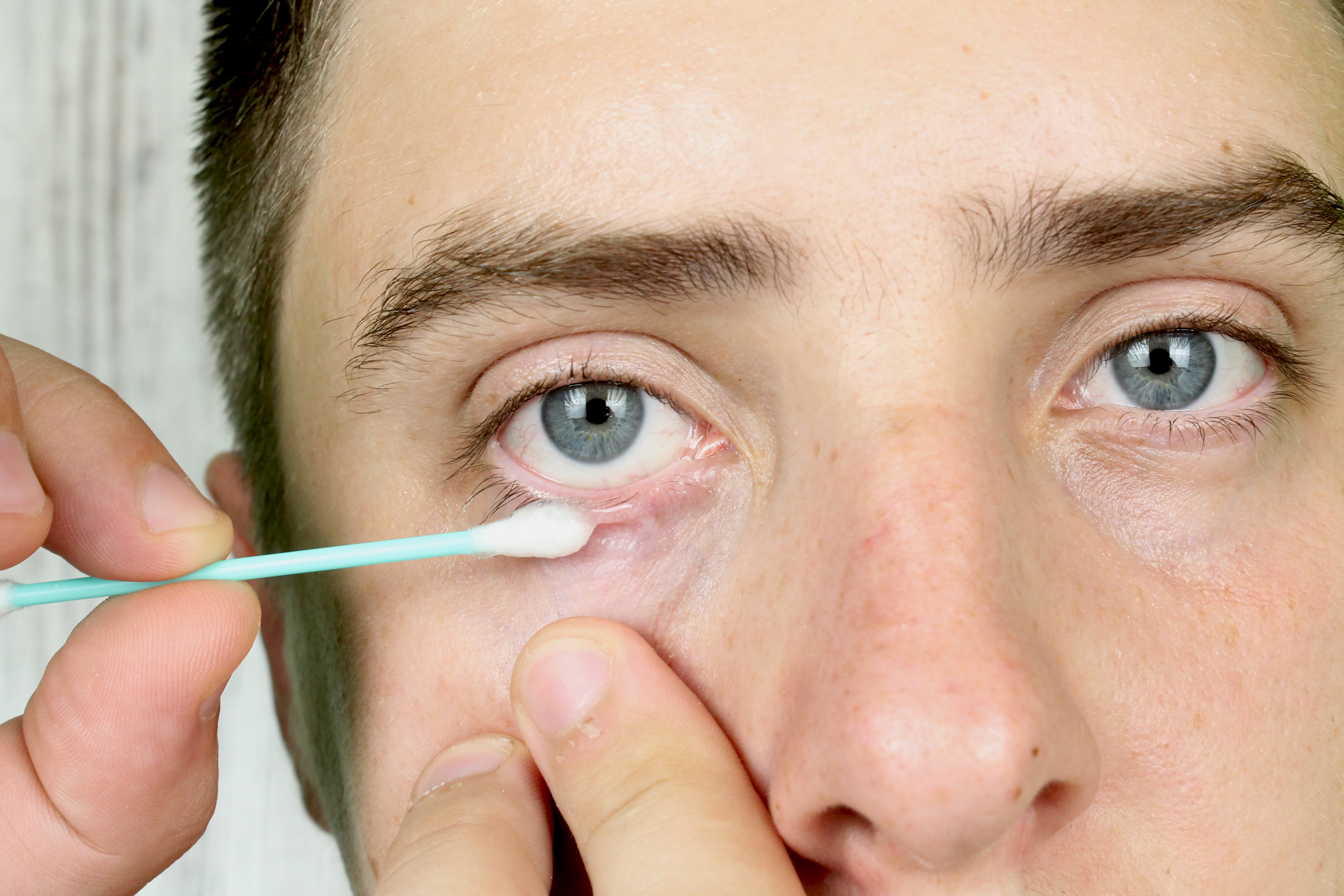
Many eye diseases develop quietly, with little to no warning in the early stages. You may still see clearly while changes are happening inside the eye. That is why early detection matters. For patients in Olathe, Leawood, and Kansas City, routine comprehensive eye exams can help identify eye disease before it causes serious or permanent vision loss.
At Grin Eye Care, eye exams are designed to evaluate more than your prescription. They also help monitor the health of the retina, optic nerve, lens, cornea, and other important structures that support long-term vision.
Eye Disease Does Not Always Cause Early Symptoms
One of the biggest challenges with eye disease is that symptoms may not appear until damage has already occurred. Conditions like glaucoma, diabetic eye disease, macular degeneration, and cataracts can progress gradually. In some cases, early changes are only visible during a comprehensive eye exam.
Waiting until your vision changes can delay diagnosis and treatment. For patients in Olathe and nearby communities, regular eye exams provide a proactive way to protect sight before problems become more advanced.
Why Early Detection Matters
Early detection gives your eye doctor the chance to monitor changes, recommend treatment, and help slow progression when possible. Some eye diseases cannot be reversed once vision is lost, which makes timely care especially important.
For example, glaucoma can damage the optic nerve and often affects side vision first. Many people do not notice those changes right away. Diabetic eye disease can also affect the blood vessels in the retina before vision becomes blurry. Detecting these issues early can help preserve vision and reduce the risk of complications.
Common Eye Diseases Found During Exams
A comprehensive eye exam can reveal early signs of several conditions, even when you feel like your vision is normal. Your eye doctor may look for changes related to:
- Glaucoma and optic nerve damage
- Diabetic retinopathy and retinal blood vessel changes
- Cataracts that affect clarity and glare
- Macular degeneration that impacts central vision
- Dry eye disease and corneal surface damage
- Retinal tears, inflammation, or other medical eye concerns
These evaluations help your eye doctor understand what is happening inside the eye and whether you need treatment, monitoring, or additional testing.
Your Overall Health Can Affect Your Eyes
Eye health is closely connected to overall health. Diabetes, high blood pressure, autoimmune conditions, certain medications, and family history can all increase the risk of eye disease. This is why your eye doctor may ask about your medical history, medications, and any changes in your health during your visit.
Patients in Leawood, Olathe, and Kansas City who have chronic health conditions may need more frequent eye exams. Monitoring the eyes can help detect subtle changes and support better coordination with your primary care provider or specialist when needed.
What Happens During A Comprehensive Eye Exam?
A comprehensive eye exam may include vision testing, refraction, eye pressure testing, retinal evaluation, and a close look at the front and back of the eye. Depending on your symptoms or risk factors, your doctor may recommend additional imaging or testing to evaluate the retina, optic nerve, or visual field.
These tests are designed to find concerns that a basic vision screening may miss. Even if you do not need new glasses, an eye exam can still provide important information about your eye health.
When Should You Schedule An Eye Exam?
You should schedule an eye exam if you notice blurry vision, flashes, floaters, eye pain, light sensitivity, difficulty seeing at night, or sudden vision changes. However, you should not wait for symptoms to appear.
Routine exams are especially important if you have diabetes, high blood pressure, a family history of glaucoma or macular degeneration, previous eye surgery, or a strong prescription. Your eye doctor can recommend an exam schedule based on your age, health history, and personal risk factors.
Protecting Vision Starts With Prevention
Early detection of eye disease can make a meaningful difference in preserving vision. Regular exams allow your eye doctor to identify changes sooner, explain your options, and create a plan for follow-up care when needed. For patients in Olathe, Leawood, and Kansas City, comprehensive eye care is one of the most important steps you can take to protect your sight over time.
Schedule a comprehensive eye exam with Grin Eye Care in Olathe, KS, located at 21020 W 151st St, or Leawood, KS, located at 13400 Briar St Ste C, by calling (913) 829-5511.


